Streetmap Exploring the World of Streetmap and Its Applications
Streetmap has become an essential tool in today’s world, where navigation and location-based services are integral to our daily lives. From planning routes to understanding local areas, streetmap technology provides a visual representation of streets, landmarks, and geographical features. This article delves into what streetmap is, its features, history, applications, benefits, and some commonly asked questions.
Understanding Streetmap: What It Is and How It Works
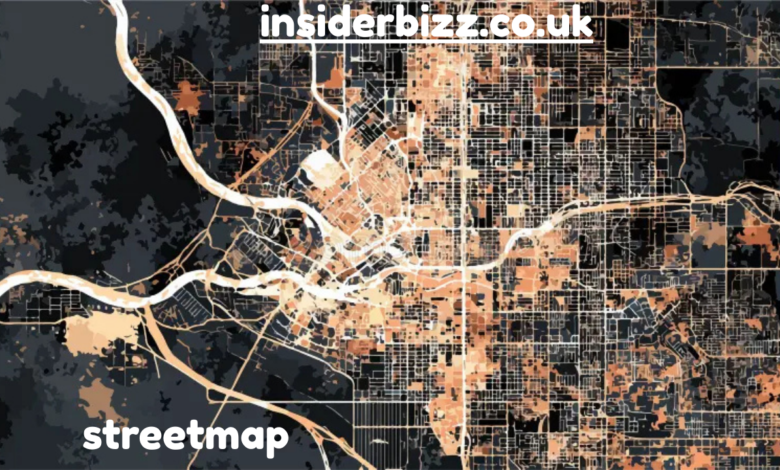
At its core, streetmap is a digital or printed map that shows streets, roads, and important landmarks within a specific area. Unlike traditional maps, streetmaps are designed for practical navigation rather than just geographical understanding. They can be detailed down to individual lanes, intersections, and building names, making them a practical tool for drivers, pedestrians, urban planners, and tourists.
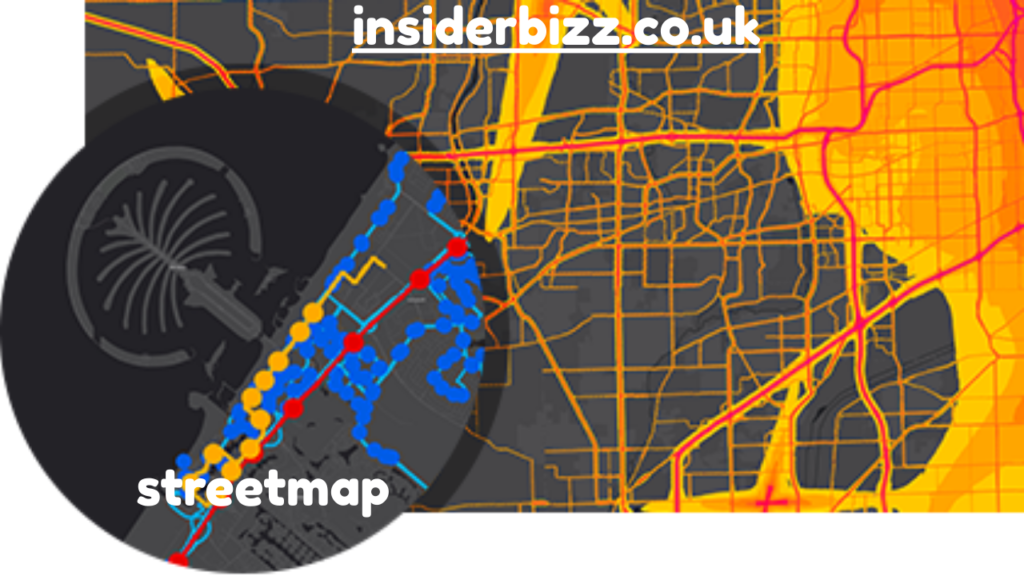
Streetmaps work by compiling geographical data from various sources such as satellites, GPS systems, surveys, and government databases. This data is then processed to create an interactive or static representation of streets, highways, footpaths, and other relevant landmarks. Digital streetmaps often include additional features like real-time traffic updates, points of interest, and route planning options.
A Brief History of Streetmap

The concept of mapping streets dates back centuries, but the modern digital streetmap emerged with the rise of computers and GPS technology. Early streetmaps were printed and often difficult to update, which limited their usability. The first digital streetmaps appeared in the 1980s, but widespread adoption came in the late 1990s with the growth of internet technologies.
With the evolution of smartphones and GPS-enabled devices in the 2000s, streetmaps became more interactive. Users could now zoom in and out, search for specific addresses, and receive turn-by-turn navigation. Today, streetmap technology is integrated into almost all navigation apps and plays a crucial role in transportation planning, logistics, and everyday commuting.
Key Features of Streetmap
Streetmap offers a variety of features that make it a versatile tool for multiple purposes:
- Detailed Road Networks: Streetmaps show all types of roads, from major highways to small alleyways, ensuring accurate navigation.
- Landmarks and Points of Interest: Important locations like hospitals, schools, parks, and restaurants are clearly marked.
- Interactive Elements: Digital streetmaps allow users to zoom, pan, and rotate the map for better understanding.
- Real-Time Updates: Many streetmaps now include traffic conditions, road closures, and construction updates.
- Route Planning: Users can plan the fastest or most convenient route for walking, driving, or cycling.
These features make streetmaps more than just a visual tool—they are practical assistants for daily navigation and urban exploration.
Applications of Streetmap
Streetmap technology is widely used across several domains:
Urban Planning and Development
Urban planners rely on streetmaps to design road systems, public transportation networks, and city layouts. Accurate streetmap data helps avoid congestion, improve traffic flow, and identify areas for future development.
Logistics and Delivery Services
Companies involved in shipping, courier services, and food delivery use streetmaps to optimize routes. This reduces fuel costs, saves time, and ensures timely deliveries.
Tourism and Travel
Travelers use streetmaps to explore new cities and locate landmarks, hotels, restaurants, and other points of interest. Interactive streetmaps often provide directions in real-time, making them indispensable for tourists.
Emergency Services
Police, fire departments, and ambulance services use streetmaps for rapid response. Knowing the fastest route to a location can save lives during emergencies.
Everyday Navigation
For daily commuters and pedestrians, streetmaps provide accurate directions and alternative routes. Integration with GPS systems allows users to track their location in real-time and reach destinations efficiently.
Advantages of Using Streetmap
Streetmap technology comes with several benefits that make it an essential tool in modern life:
- Accuracy: Modern streetmaps provide precise details of roads and addresses.
- Convenience: Digital streetmaps allow easy access from smartphones, tablets, and computers.
- Time-Saving: Route planning features help avoid traffic and delays.
- Accessibility: Streetmaps are accessible for both urban and rural areas.
- Versatility: They serve multiple purposes across different industries, from transportation to emergency services.
These advantages highlight why streetmaps are not just maps but powerful tools for planning, navigation, and decision-making.
Challenges and Limitations
Despite its usefulness, streetmap technology has some limitations:
- Data Accuracy: Outdated or incorrect information can mislead users.
- Connectivity Dependence: Online streetmaps require internet connectivity for real-time updates.
- Privacy Concerns: Some users may be wary of location tracking features.
- Over-Reliance: Relying solely on streetmaps without understanding surroundings can sometimes be risky.
These challenges are being addressed through constant updates, offline capabilities, and improved GPS technology.
Future of Streetmap Technology
The future of streetmap technology looks promising. Emerging trends include:
- Integration with AI and Machine Learning: To predict traffic patterns and suggest optimal routes.
- 3D Streetmaps: Offering a more immersive view of cities and landscapes.
- Enhanced AR Features: Using augmented reality to overlay directions and information on real-world streets.
- Autonomous Vehicles: Streetmaps will play a key role in the navigation of self-driving cars.
As technology evolves, streetmaps will continue to become smarter, more interactive, and even more integral to everyday life.
Frequently Asked Questions About Streetmap
Q1: Is streetmap only for digital use?
No. While digital streetmaps are widely used, printed streetmaps are still available and useful in areas with limited internet access.
Q2: Can streetmaps show walking and cycling routes?
Yes. Many streetmap applications include routes for walking, cycling, and public transportation, in addition to driving directions.
Q3: How often are streetmaps updated?
Update frequency varies by provider. Some offer real-time updates, while others refresh data periodically, usually every few months.
Q4: Are streetmaps free to use?
Many digital streetmaps are free, though some premium services offer advanced features for a subscription fee.
Q5: Can streetmaps be used offline?
Some digital streetmap applications allow users to download maps for offline navigation, useful in remote areas.
Conclusion
Streetmap technology has transformed the way we navigate, explore, and plan our environments. From detailed road networks to real-time traffic updates, streetmaps provide practical solutions for individuals, businesses, and public services alike. As innovations in AI, augmented reality, and autonomous vehicles advance, streetmaps will become even more essential in our daily lives, connecting the world one street at a time.