Jade Venison A Culinary Journey Through Traditional Chinese Cooking
Introduction
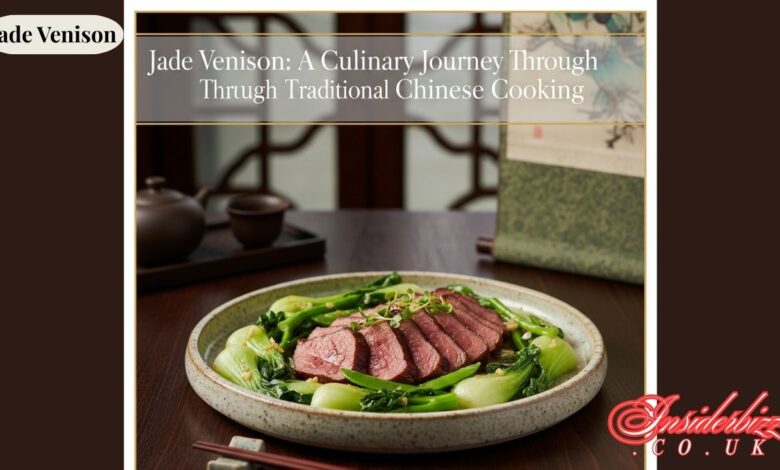
The term “jade venison” evokes images of elegantly prepared meat glistening alongside vibrant green vegetables, creating a visual masterpiece that has captivated food enthusiasts for generations. This classic dish represents a harmonious blend of tender venison and fresh jade-colored vegetables, embodying the principles of balance and beauty that define Chinese culinary traditions.
Originating from regional Chinese cooking practices, this preparation method celebrates the natural flavors of game meat while highlighting the crisp freshness of seasonal greens. The name itself draws inspiration from the precious jade stone, symbolizing purity and vitality—qualities reflected in the dish’s verdant presentation and wholesome ingredients.
The pairing of venison with green vegetables serves both aesthetic and culinary purposes. The rich, slightly gamey notes of the meat find perfect balance with the clean, mineral flavors of vegetables like bok choy and Chinese broccoli, creating a dining experience that delights multiple senses simultaneously.
What is Jade Venison?
This distinguished dish represents a traditional Chinese preparation where carefully selected cuts of venison are cooked alongside vibrant green vegetables, creating a stunning presentation that resembles polished jade stones arranged on a plate.
Traditional Preparation Methods
The foundation of this culinary creation lies in time-honored techniques passed down through generations. Cooks typically employ high-heat stir-frying methods that seal in the meat’s natural juices while maintaining the vegetables’ crisp texture and brilliant color. Some regional variations incorporate gentle braising, allowing flavors to meld slowly over lower temperatures.
The Jade Element
The “jade” component refers to the carefully selected green vegetables that give the dish its distinctive appearance and name. Traditional choices include bok choy with its tender white stems and dark green leaves, Chinese broccoli offering a slightly bitter counterpoint, and snow peas providing sweet crunch. Other options include jade-colored spinach, watercress, or Chinese mustard greens, each contributing unique flavors and textures.
Venison as the Protein Choice
Venison brings exceptional qualities to this preparation. The meat offers a lean profile with subtle earthy undertones that distinguish it from more common proteins. Its firm texture holds up beautifully to high-heat cooking methods, while its nutritional density provides substantial health benefits, including high protein content, essential B vitamins, and significant iron levels.
Regional Variations
Different regions across China have developed their own interpretations. Cantonese versions often emphasize lighter seasoning that allows ingredient quality to shine, while Sichuan preparations might incorporate spicier elements. Northern variations sometimes feature heartier braising techniques suited to colder climates.
Selecting Quality Ingredients
Success in creating this dish begins long before the cooking process starts—it begins with ingredient selection.
Venison Selection
Best Cuts for the Dish
The tenderloin represents the premium choice, offering unmatched tenderness and minimal connective tissue. The loin provides similar qualities with a slightly firmer texture, while leg cuts offer excellent flavor at a more accessible price point, though they require careful preparation to ensure tenderness.
Wild vs. Farm-Raised Considerations
Wild venison typically presents stronger, more complex flavors with leaner meat composition. Farm-raised options offer more consistent texture and milder taste, making them approachable for those new to game meats. Both choices work beautifully when prepared correctly, with selection often depending on personal preference and availability.
Identifying Fresh, Quality Venison
Fresh venison should display deep red coloring without gray or brown patches. The meat should feel firm to the touch with minimal moisture on the surface. Any fat present should appear white or cream-colored rather than yellow. A clean, slightly sweet aroma indicates proper handling and freshness.
Green Vegetables
Traditional Jade Vegetables
Authentic preparations favor bok choy for its contrasting textures and mild flavor. Chinese broccoli (gai lan) brings slight bitterness and sturdy stems that maintain structure during cooking. Snow peas contribute sweetness and satisfying snap, while jade-colored spinach offers tender leaves that wilt beautifully into the dish.
Seasonal Availability and Alternatives
Spring and fall typically offer the best selection of Chinese greens. During other seasons, regular broccoli, asparagus, or sugar snap peas make suitable substitutes. Western alternatives like kale or Swiss chard can work, though they alter the traditional flavor profile somewhat.
Preparation and Cleaning Methods
All vegetables require thorough washing to remove any grit or debris. Leafy greens benefit from soaking in cold water, while heartier vegetables need careful inspection of stems and leaves. Proper drying prevents excess water from interfering with the cooking process, especially important for stir-frying techniques.
Preparation Techniques
Proper preparation transforms good ingredients into an exceptional dining experience.
Marinating the Venison
Common marinade ingredients include soy sauce for umami depth, Shaoxing wine for aromatic complexity, and cornstarch for velveting—a technique that creates incredibly tender meat. Ginger and garlic add aromatic foundation, while a touch of sugar balances flavors. Marinating times typically range from 30 minutes to several hours, with longer periods intensifying flavor penetration.
Tenderizing Methods
Beyond marinating, physical tenderizing helps break down the meat’s naturally firm texture. Light pounding with a meat mallet creates uniform thickness while disrupting muscle fibers. The velveting technique, where marinated meat receives a brief oil or water blanching before final cooking, ensures exceptional tenderness.
Cutting Techniques
Slicing venison against the grain shortens muscle fibers, resulting in more tender bites. Thin, uniform slices approximately one-quarter inch thick ensure even cooking. Consistent sizing across all pieces prevents some portions from overcooking while others remain underdone.
Vegetable Preparation
Maintaining the vibrant jade color requires specific techniques. Vegetables should be cut into uniform sizes for even cooking. Blanching greens briefly in boiling water before stir-frying helps set their color. Shocking them in ice water immediately after blanching preserves that brilliant hue.
Cooking Methods
The cooking phase brings all preparation together into the finished creation.
Stir-Frying: The Most Common Technique
High heat and constant motion define successful stir-frying. A well-seasoned wok provides an ideal cooking surface, though a large skillet works adequately. The wok should reach smoking hot temperatures before adding oil. Ingredients cook in stages—aromatics first, followed by meat, then vegetables—each added at precise moments to achieve perfect doneness.
Braising Variations
Some preparations favor gentler braising methods where meat and vegetables simmer in flavorful liquid. This approach yields fall-apart tender results with deeply developed flavors. The cooking liquid often reduces into a glossy sauce that coats both meat and vegetables beautifully.
Temperature Control and Timing
Precision matters tremendously. Venison requires brief cooking at high temperatures to maintain tenderness—overcooking quickly results in tough, dry meat. Most stir-fried preparations are complete in under ten minutes from start to finish. Vegetables need just enough heat to brighten their color and soften slightly while maintaining a pleasant crunch.
Achieving the Signature Jade Presentation
The final dish should showcase brilliant green vegetables contrasting against rich brown meat, all coated in glossy sauce. Proper heat management prevents vegetables from turning drab olive green. Quick cooking preserves their jade-like brilliance while developing complex flavors.
Flavor Profiles and Seasoning
Balanced seasoning elevates the dish from good to extraordinary.
Essential Sauces
Oyster sauce provides sweet-savory depth and helps create the characteristic glossy coating. Light soy sauce adds salt and umami without darkening the dish excessively. Shaoxing wine contributes aromatic complexity and helps tenderize meat. A touch of sesame oil added at the end imparts a nutty fragrance.
Aromatics
Fresh ginger slices or minced ginger provide a warming spice that complements venison’s earthy notes. Garlic adds pungent depth, while scallions offer mild onion flavor and visual appeal when used as garnish. These aromatics form the aromatic foundation that defines the dish’s character.
Balancing Gamey Venison Flavors
The meat’s natural earthiness benefits from careful flavor balancing. Ginger and wine help mellow any strong game notes. The vegetables’ clean, fresh qualities provide contrast. Sweet elements from oyster sauce and a pinch of sugar round out sharper edges.
Creating the Glossy Finish
The signature sheen comes from cornstarch slurry added near the end. This mixture of cornstarch and water thickens cooking liquids into a coating that clings beautifully to ingredients. The sauce should coat without pooling, creating an elegant, restaurant-quality appearance.
Serving and Presentation
Thoughtful presentation honors the dish’s beauty and tradition.
Traditional Plating Methods
Classic presentations arrange ingredients artfully on white plates that showcase the jade colors. Vegetables often form a bed for the meat, or ingredients might be arranged in alternating patterns. The glossy sauce should coat everything evenly without excess liquid pooling on the plate.
Accompaniments
Steamed jasmine rice provides a neutral backdrop that allows the main dish to shine. Fried rice offers more complex accompaniment for heartier appetites. Thin egg noodles work beautifully for those preferring noodle-based meals. Some diners enjoy the dish as a standalone course, letting the ingredients speak for themselves.
Garnishing for Visual Appeal
Fresh scallion threads add height and color contrast. Sesame seeds provide textural interest and nutty flavor. A few cilantro leaves contribute brightness, though this remains optional based on personal preference. The garnish should enhance rather than overwhelm.
Pairing Suggestions
Light red wines like Pinot Noir complement the meat without overwhelming delicate vegetable flavors. For white wine enthusiasts, Riesling’s slight sweetness balances any gamey notes. Traditional Chinese meals might feature jasmine tea or oolong tea, whose subtle flavors cleanse the palate between bites.
Nutritional Information
This dish offers impressive nutritional benefits alongside its culinary appeal.
Health Benefits of Venison
The meat stands out as an exceptionally lean protein source, containing significantly less fat than beef or pork. It provides abundant B vitamins, particularly B12, essential for energy metabolism and neurological function. Iron content exceeds that of many other meats, supporting healthy blood production. The protein quality helps build and maintain muscle tissue.
Nutritional Value of Jade Vegetables
Green vegetables contribute fiber for digestive health, vitamins A and C for immune function, and calcium for bone strength. Their low calorie density makes them ideal for weight management. The variety of phytonutrients offers antioxidant protection.
Dietary Considerations and Modifications
The dish naturally fits into many dietary patterns. It’s inherently low-carb and gluten-free when prepared with tamari instead of regular soy sauce. The high protein and vegetable content satisfies paleo and whole-food dietary approaches. Those watching sodium can reduce sauce quantities or use low-sodium alternatives.
Recipe Variations
Creative interpretations expand the dish’s appeal across different culinary traditions.
Modern Fusion Interpretations
Contemporary chefs might incorporate Western herbs like rosemary or thyme alongside traditional Chinese aromatics. Some versions feature balsamic reduction instead of traditional sauces. Others add unexpected elements like cherry tomatoes or roasted red peppers, creating East-meets-West presentations.
Vegetarian/Vegan Alternatives
Plant-based versions substitute firm tofu, tempeh, or seitan for venison. Mushrooms, particularly portobello or king oyster varieties, provide a meaty texture and umami depth. The cooking techniques and seasonings translate beautifully to these alternatives, creating satisfying meals without animal products.
Regional Chinese Variations
Sichuan interpretations might add numbing Sichuan peppercorns and chili oil for characteristic heat. Hunan versions feature smoked or cured venison with pronounced spicy notes. Shanghai-style preparations often include more sugar for a characteristic sweet-savory balance.
Western Adaptations
American interpretations might serve the preparation over mashed potatoes or polenta. European versions could incorporate local game meats like deer or elk. Some adaptations feature Brussels sprouts or green beans instead of traditional Asian vegetables, making the dish more accessible to Western palates.
Conclusion
Mastering this elegant dish requires attention to ingredient quality, proper preparation techniques, and careful cooking execution. The marriage of tender, flavorful venison with crisp jade vegetables creates a dining experience that satisfies both visually and gastronomically.
Beyond its culinary merits, this preparation carries significant cultural weight, representing centuries of Chinese cooking wisdom. The dish embodies principles of balance, beauty, and harmony that extend beyond the kitchen into broader philosophical traditions.
For home cooks willing to invest time in proper technique, creating this restaurant-quality dish offers tremendous satisfaction. The skills developed through preparing it—proper knife work, heat management, and flavor balancing—transfer to countless other recipes. Whether following traditional methods or exploring modern variations, anyone can bring this stunning creation to their own table and experience the magic of this timeless culinary treasure.
Also Read: Mochi_Chewy Twitch Face Reveal – Biography, Streaming Career, and Community Reactions