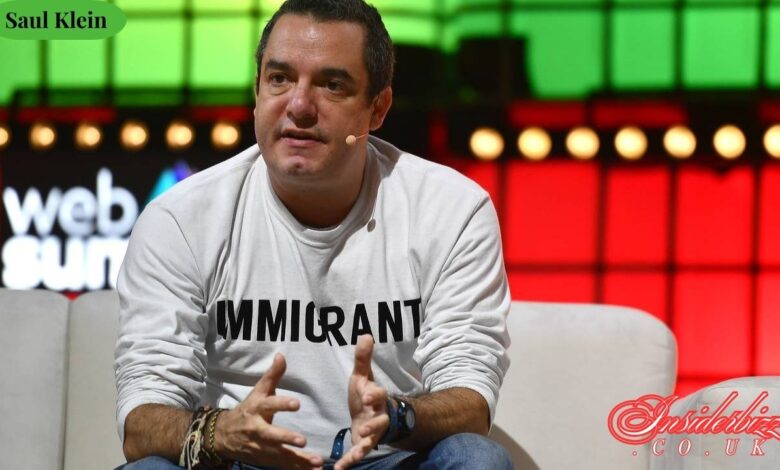
Saul Klein The Visionary Behind Europe’s Startup Revolution
When it comes to transforming Europe’s technology landscape, few names carry as much weight as Saul Klein. As the co-founder of Seedcamp, he played a pivotal role in creating what would become Europe’s first seed-stage accelerator program. His journey from entrepreneur to investor to ecosystem builder represents one of the most compelling stories in modern venture capital.
Early Life and Educational Foundation
Quem é Saul Klein? To understand his impact, one must first look at his beginnings. Klein graduated from Cambridge University with a degree in English Literature, an unconventional background for someone who would eventually revolutionize the tech investment space. This humanities education perhaps contributed to his unique approach to understanding startups, emphasizing storytelling and communication alongside technical innovation.
Building a Career in the Digital Age
Klein’s professional journey began in 1994 when he joined The Telegraph, helping to bring the traditional newspaper online during the internet’s early days. This experience gave him firsthand insight into digital transformation at a time when few understood its potential.
His career trajectory then took him through some of the world’s most influential companies, including WPP, Microsoft, and eBay. Each role added layers to his understanding of technology, marketing, and global business operations.
The Entrepreneurial Breakthrough
Before becoming known as an investor, Klein Saul made his mark as a successful entrepreneur. He founded and served as CEO of Video Island, a company that would eventually merge to become LOVEFiLM International. This venture demonstrated his ability to identify emerging consumer trends, particularly in the entertainment and digital content space.
LOVEFiLM’s success story culminated when Amazon acquired the company for approximately £200 million, validating Klein’s vision for digital content delivery in Europe. This exit provided him with both financial resources and credibility in the tech community.
During this period, Klein also joined Skype’s original executive team, serving as Vice President of Marketing and E-commerce. He witnessed firsthand how a European startup could achieve global scale when eBay acquired Skype for $2.6 billion in 2005. This experience would prove instrumental in shaping his later investment philosophy.
Transition to Venture Capital
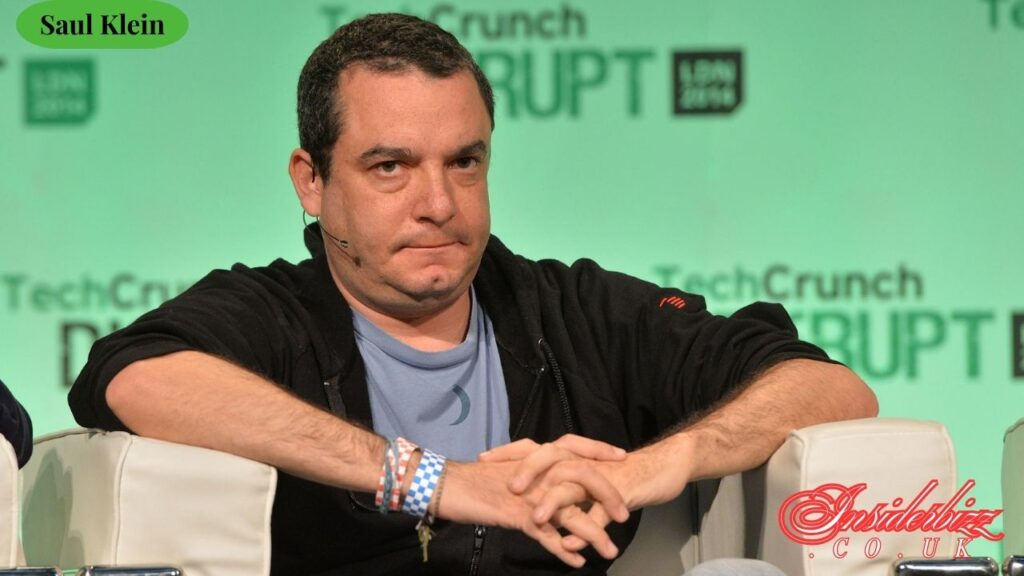
Following his entrepreneurial successes, Klein moved into venture capital, becoming a partner at Index Ventures from 2007 to 2015. He also co-founded The Accelerator Group (TAG), a London-based seed fund that focused on early-stage technology companies.
These roles gave him a comprehensive view of the European startup ecosystem’s strengths and weaknesses. He observed that while Europe had abundant talent and innovative ideas, it lacked the cohesive infrastructure that made Silicon Valley so successful.
The Birth of Seedcamp
In February 2007, Saul Klein published a blog post that would change European tech forever. The post caught the attention of Mike Arrington, who introduced Klein to Reshma Sohoni at a conference. This meeting sparked the creation of Seedcamp, which officially launched in May 2007.
Seedcamp was conceived as Europe’s answer to Y Combinator, but adapted specifically for the European context. Klein recognized that Europe’s fragmented markets, diverse cultures, and varying regulatory environments required a different approach than the American model.
The initiative brought together 30 European investors who collectively raised €2 million for the first fund. Participating venture capital firms and advisors included Index Ventures, Atomico Investments, Atlas Venture, Balderton Capital, TAG, Forsyth Group, and Brown Rudnick.
Seedcamp’s Innovative Model
Klein and Sohoni designed Seedcamp to address Europe’s unique challenges. Rather than operating from a single location, they created a pan-European network that held events across multiple cities, including London, Berlin, Paris, Warsaw, Tel Aviv, Slovenia, and the Nordic countries.
The program initially invested up to €200,000 in funding rounds between €300,000 and €2 million. However, Seedcamp offered much more than capital. It provided access to a network of over 1,000 mentors across different geographies, helping startups navigate the complexities of building businesses across multiple European markets.
Klein took on the role of Co-founder and Chairman while Reshma Sohoni managed day-to-day operations. Despite not running daily activities, Klein remained actively involved, meeting with Sohoni weekly and attending Seedcamp events regularly to engage with portfolio companies.
Building European Tech Infrastructure
Beyond Seedcamp, Klein contributed to building essential infrastructure for European entrepreneurs. He co-founded the OpenCoffee Club in 2007, creating informal networking opportunities for founders and investors. He also spearheaded the Seedsummit platform, which connected entrepreneurs with seed investors across the continent.
These initiatives reflected Klein’s belief that Europe possessed deep entrepreneurial DNA dating back centuries. The challenge wasn’t a lack of talent but rather the absence of proper support structures and networks.
Seedcamp’s Track Record
The impact of Klein’s vision became evident through Seedcamp’s portfolio performance. By August 2017, the accelerator had invested in over 250 companies that collectively raised more than $1 billion in follow-on funding.
Notable investments included Wise (formerly TransferWise), Revolut, and UiPath—companies that would go on to achieve unicorn status and validate Europe’s potential for creating globally competitive tech companies. When Draper Esprit acquired Funds I and II in 2017, Seedcamp reported a 4x return to investors.
The fund continued to grow, with a €20 million Seed Fund in 2014, a £41 million seed fund in 2017, and Fund VI reaching €166 million in 2023—its largest fund to date. You can learn more about Seedcamp’s current activities at seedcamp.com.
Expanding His Investment Portfolio
Klein’s influence extended well beyond Seedcamp. He co-founded LocalGlobe, a seed fund, alongside his father Robin Klein. This family collaboration brought together two generations of investment expertise focused on supporting early-stage European startups.
He also co-founded Latitude Ventures, Zinc (which focuses on mission-led companies solving social problems), Kano (a computer company), and Phoenix Court. In 2018, Apple acquired Platoon, another company Klein co-founded, demonstrating his continued ability to identify and build valuable technology ventures.
Recognition and Public Service
Klein’s contributions to technology and innovation earned him numerous accolades. In 2012, he was appointed as the UK’s first tech envoy to Israel, helping to strengthen connections between two of the world’s most vibrant startup ecosystems. He also served as a Technology Business Ambassador and joined the Advisory Board at the Department for Digital, Culture, Media and Sport.
His academic contributions included serving as an Executive Fellow at London Business School, where he shared his knowledge with the next generation of entrepreneurs and investors. In 2018, he was inducted into the BIMA Hall of Fame, and in 2023, he received a CBE for his services to technology and innovation.
Leadership Philosophy and Vision
Klein’s approach to building startups and supporting founders emphasized several key principles. He believed strongly in the importance of positioning, design, and communications—elements that many technical founders overlooked. His background in English Literature perhaps gave him unique insight into the power of narrative in building successful companies.
He advocated for focus on product-market fit over marketing gimmicks, encouraging founders to solve real problems rather than chase trends. His hands-on involvement with portfolio companies reflected a genuine commitment to helping entrepreneurs succeed rather than simply deploying capital.
The Lasting Impact
Klein’s legacy extends far beyond the companies in Seedcamp’s portfolio. He helped establish a template for European startup accelerators that dozens of programs would later follow. More importantly, he shifted the perception that successful technology companies could only be built in Silicon Valley.
By creating sustainable models and demonstrating that European startups could achieve global scale, Klein validated an entire ecosystem. Portfolio companies that became unicorns and achieved successful exits proved that Europe could compete on the world stage.
His work democratized access to early-stage funding and mentorship across Europe, making it possible for talented founders in Warsaw, Tel Aviv, or Ljubljana to access the same quality of support as those in London or Berlin.
Conclusion
Saul Klein’s journey from putting The Telegraph online in 1994 to co-founding one of Europe’s most influential startup accelerators represents a masterclass in ecosystem building. His ability to identify opportunities, execute on vision, and support others in achieving their goals has left an indelible mark on European technology.
Through Seedcamp and his various other ventures, Klein demonstrated that with the right infrastructure, mentorship, and capital, European entrepreneurs could build world-class companies. His continued involvement in the ecosystem through LocalGlobe, Latitude Ventures, and other initiatives ensures that his influence will shape European technology for generations to come.
For entrepreneurs and investors alike, Klein’s story offers valuable lessons about the power of networks, the importance of adapting models to local contexts, and the impact one individual can have when committed to building something larger than themselves.
Also Read: Heilxstudio – The Future of Creative Design, Innovation, and Digital Artistry