Skateboard Variant Where You Wiggle and Twist Around
Introduction to the Skateboard Variant Where You Wiggle and Twist Around
The phrase skateboard variant where you wiggle and twist around may sound unusual at first, but it perfectly captures one of the most distinctive and expressive forms of board riding. Unlike traditional skateboarding that relies heavily on pushing with one foot or performing aerial tricks, this skateboard variant focuses on continuous body movement. Riders generate speed by wiggling, twisting, and shifting their weight from side to side, creating motion without ever touching the ground.
This skateboard variant where you wiggle and twist around?? has gained popularity among beginners, commuters, fitness enthusiasts, and even experienced skaters who want a smoother, more fluid ride. Its unique mechanics make it feel almost like surfing on concrete, combining balance, rhythm, and momentum into one seamless experience.
What Exactly Is the Skateboard Variant Where You Wiggle and Twist Around?
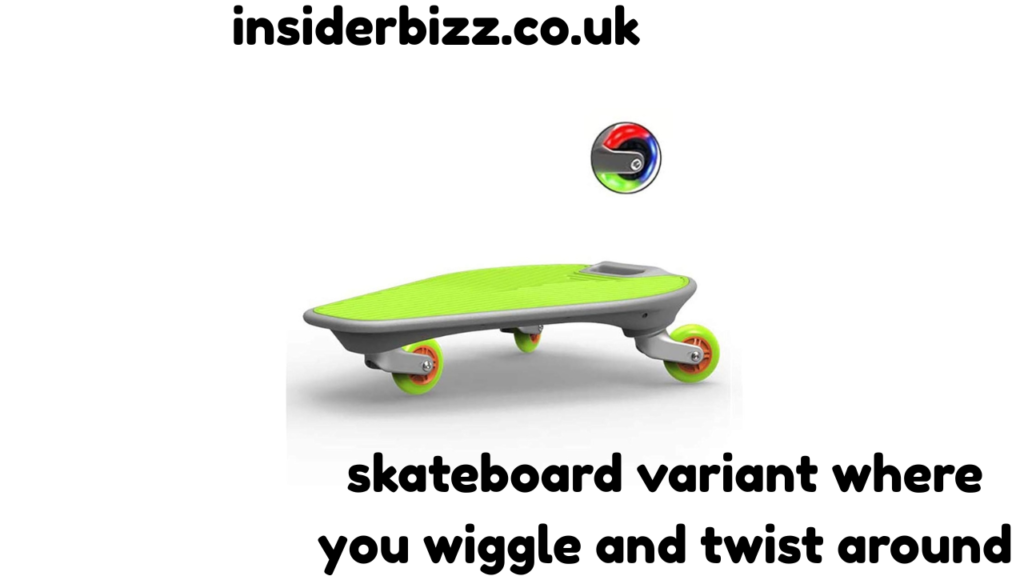
At its core, the skateboard variant where you wiggle and twist around refers to boards designed to move forward through lateral motion rather than traditional pushing. Riders twist their hips, shoulders, and legs in a snake-like motion, transferring energy through the deck and trucks to propel the board forward.
This variant is often associated with self-propelled boards that feature specialized trucks or a flexible deck. The design allows the front and rear wheels to pivot independently, amplifying the rider’s twisting motion. As a result, the board glides forward smoothly while responding instantly to subtle body movements.
How the Wiggle-and-Twist Motion Works
The defining feature of the skateboard variant where you wiggle and twist around?? is its movement style. Instead of planting one foot on the ground to gain speed, riders stand firmly on the board and initiate motion by rotating their torso and hips.
This twisting motion creates alternating pressure on the wheels, causing them to angle slightly and push against the ground. Over time, this rhythmic movement builds momentum. The faster and more controlled the wiggle, the more speed the rider can generate. This method of propulsion feels intuitive and natural once mastered, making it accessible to a wide range of riders.
Design Characteristics of This Skateboard Variant
Boards associated with the skateboard variant where you wiggle and twist around often share certain design traits. These features are specifically engineered to support continuous motion and responsiveness.
The deck is usually narrower and more flexible than a traditional skateboard, allowing it to bend slightly under the rider’s weight. The trucks are often mounted in a way that allows greater rotation, especially in the front. Some designs even include a swivel mechanism that enhances the twisting effect.
Wheels are typically softer and grippier, ensuring smooth movement across different surfaces. Together, these components create a riding experience that emphasizes flow and control rather than jumps or tricks.
Why Riders Love the Skateboard Variant Where You Wiggle and Twist Around
One major reason people are drawn to the skateboard variant where you wiggle and twist around is comfort. The constant motion reduces the need for repetitive pushing, which can strain the legs and lower back. Riders often describe the experience as relaxing, almost meditative, especially during longer rides.
Another appeal is accessibility. Beginners who may feel intimidated by traditional skateboarding tricks often find this variant easier to learn. Since balance and rhythm matter more than jumping or flipping, new riders can build confidence quickly.
Fitness enthusiasts also appreciate this style because it engages the core muscles. The twisting motion works the abs, hips, and lower back, turning each ride into a low-impact workout.
Differences from Traditional Skateboarding
While traditional skateboarding focuses on tricks, ramps, and technical maneuvers, the skateboard variant where you wiggle and twist around?? emphasizes continuous movement and balance. Instead of ollies or kickflips, the goal is to maintain smooth momentum through body motion.
Traditional skateboards rely on symmetrical trucks and a rigid deck, while this variant uses asymmetry and flexibility to enhance movement. The riding posture also differs, as riders tend to stand more upright and relaxed, allowing their upper body to guide the board’s direction.
These differences make the variant ideal for cruising, commuting, and casual riding rather than skate parks or competitive trick-based skating.
Learning Curve and Skill Development
Learning the skateboard variant where you wiggle and twist around is generally less intimidating than learning traditional skateboarding, but it still requires practice. Beginners often start by mastering balance and small, controlled twists. Over time, these movements become more fluid, allowing for greater speed and sharper turns.
As riders progress, they learn how to adjust their stance, foot placement, and upper-body rotation to fine-tune their ride. Advanced riders can navigate tight spaces, perform carving turns, and even handle moderate downhill paths with confidence.
The skill development process is gradual and rewarding, making it appealing for riders of all ages.
Safety Considerations for This Skateboard Variant
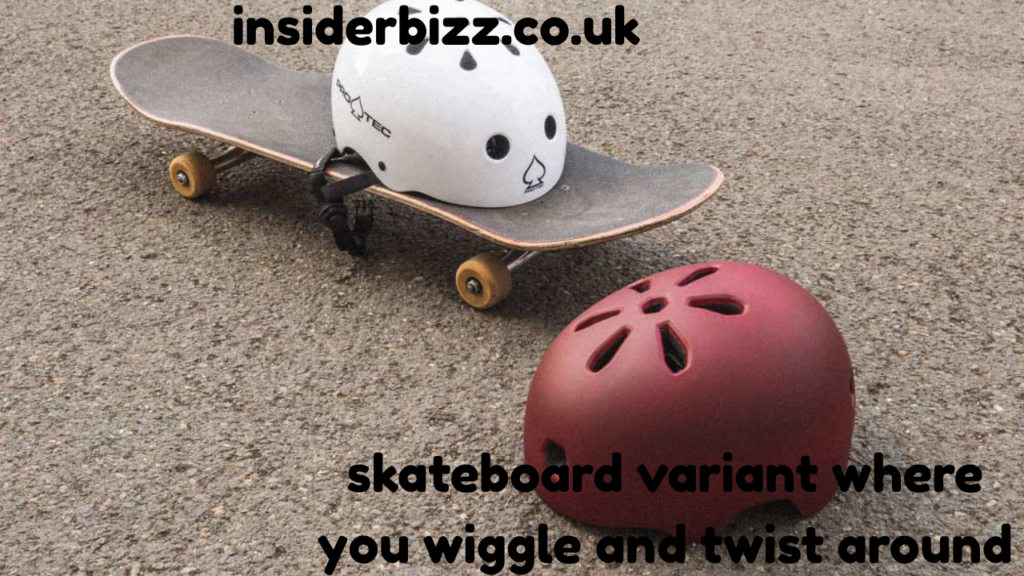
Even though the skateboard variant where you wiggle and twist around?? is often considered safer than trick-based skateboarding, safety remains important. Protective gear such as helmets, knee pads, and wrist guards is strongly recommended, especially for beginners.
Because the board responds quickly to body movement, sudden or exaggerated twists can lead to loss of balance. Riders should practice in open, flat areas before moving to busier environments. Maintaining awareness of surroundings is also essential, particularly when using the board for commuting.
Cultural Influence and Popularity Growth
The skateboard variant where you wiggle and twist around has developed its own subculture within the broader skateboarding community. It is often associated with laid-back lifestyles, urban cruising, and creative expression rather than competitive performance.
Social media and street culture have played a role in popularizing this riding style. Videos showcasing smooth, flowing rides through city streets have inspired many people to explore this alternative form of skateboarding. Its appeal cuts across age groups, attracting both young riders and adults looking for a fun, low-impact activity.
Practical Uses in Everyday Life
Beyond recreation, the skateboard variant where you wiggle and twist around?? has practical applications. Many riders use it for short commutes, campus travel, or casual transportation in urban areas. Its ability to maintain speed without pushing makes it efficient for navigating sidewalks and bike paths.
The compact size of these boards also makes them easy to carry and store. For people who want an eco-friendly, enjoyable way to move around, this variant offers a compelling alternative to traditional transportation methods.
Who Should Try the Skateboard Variant Where You Wiggle and Twist Around
This skateboard variant is suitable for a wide range of individuals. Beginners who are curious about board sports often find it less intimidating than traditional skateboarding. Experienced skaters may enjoy it as a relaxing change of pace.
It is also ideal for people who enjoy activities like surfing, snowboarding, or longboarding, as the movement patterns feel familiar. Anyone looking for a fun, engaging way to stay active can benefit from trying the skateboard variant where you wiggle and twist around.
Future of This Skateboard Variant
As interest in alternative mobility and fitness continues to grow, the skateboard variant where you wiggle and twist around?? is likely to gain even more attention. Innovations in board design and materials may further enhance performance and comfort.
This variant represents a shift toward more inclusive and expressive forms of skateboarding. Instead of focusing solely on tricks or competition, it emphasizes movement, balance, and enjoyment. Its growing popularity suggests it will remain a significant part of skate culture for years to come.
Conclusion
The skateboard variant where you wiggle and twist around offers a unique and engaging way to experience skateboarding. By focusing on body movement, balance, and flow, it provides an accessible alternative to traditional skating styles. Whether used for fitness, commuting, or pure enjoyment, this variant stands out for its smooth, rhythmic riding experience.