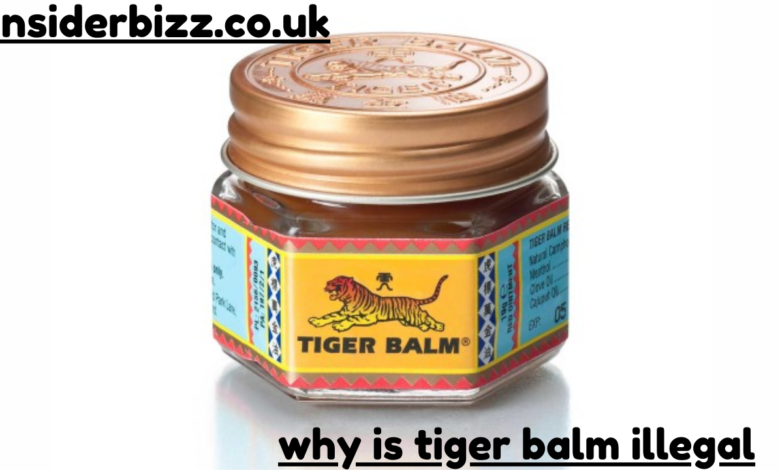
Why is Tiger Balm Illegal Understanding the Controversy Behind the Popular Ointment
Tiger Balm has been a household name for decades, celebrated worldwide for its soothing effects on muscle pain, headaches, and minor aches. From athletes to office workers, many rely on this aromatic ointment to relieve discomfort. However, despite its global popularity, there are some countries and regions where Tiger Balm is restricted or outright illegal. This raises the question: why is Tiger Balm illegal?? This article explores the reasons, ingredients, and regulations surrounding this iconic product, providing a comprehensive understanding of the controversy.
The Origins of Tiger Balm

Tiger Balm originated in the late 19th century, developed by the Aw brothers in Burma before becoming a staple product of the Haw Par Corporation in Singapore. The balm combines herbal ingredients and essential oils to create a powerful topical remedy. Traditional Tiger Balm includes camphor, menthol, cajuput oil, and clove oil, along with other natural components depending on the formulation. These ingredients produce a warming or cooling sensation that temporarily alleviates pain, making it highly effective and widely trusted.
Despite its long history and proven benefits, the very ingredients that make Tiger Balm effective are also a source of regulatory concern in some countries.
Ingredients That Raise Legal Concerns

The question why is Tiger Balm illegal?? often stems from its ingredient composition. Two key ingredients—camphor and menthol—are the main reasons for restrictions:
- Camphor: Camphor is a common ingredient in Tiger Balm, known for its analgesic and anti-inflammatory properties. However, camphor can be toxic if ingested in high doses or applied excessively on the skin, especially in children. Some countries classify camphor as a controlled substance due to its potential misuse in recreational drugs or as a chemical irritant.
- Menthol: Menthol provides a cooling effect that counteracts pain. While generally safe, certain concentrations can irritate the skin and, in some cases, cause respiratory issues. Some regulatory agencies have set strict limits on menthol content in over-the-counter products.
Additional oils, such as cajuput and clove oil, are generally safe but may trigger allergies or sensitivities in some users. The combination of these strong compounds has led authorities to scrutinize Tiger Balm more rigorously than typical ointments.
Regulatory Differences Around the World
The legality of Tiger Balm varies widely depending on the country. In some regions, it is sold freely in pharmacies and retail stores, while in others, it faces strict controls or bans. Understanding why is Tiger Balm illegal?? requires looking at regulatory practices:
- United States: Tiger Balm is generally legal in the U.S. as an over-the-counter topical analgesic. However, certain formulations with higher concentrations of camphor or menthol may be restricted by the FDA.
- European Union: The EU imposes strict limits on camphor content in medicinal products. Products exceeding these limits may be deemed unsafe, leading to restricted sales or reformulation requirements.
- Australia: Australian regulations are stringent regarding topical medicines. Some Tiger Balm variants may require special labeling or may be banned if they exceed allowed concentrations of certain ingredients.
- Middle East: Certain countries in the Middle East have banned Tiger Balm due to concerns over potential abuse, toxicity, or non-compliance with local safety standards.
These differences highlight that the illegality is not due to the product being inherently dangerous but because it may violate local pharmaceutical or chemical safety laws.
Health Risks Associated With Tiger Balm
Understanding why is Tiger Balm illegal?? also involves acknowledging potential health risks:
- Skin Irritation: Excessive use can cause redness, burning, or rashes. Sensitive skin types are particularly vulnerable.
- Respiratory Issues: Inhaling strong vapors from Tiger Balm, especially in poorly ventilated areas, can lead to coughing, sneezing, or difficulty breathing.
- Toxicity: Accidental ingestion, particularly by children, can lead to nausea, vomiting, seizures, or more severe toxic reactions.
- Allergic Reactions: Individuals allergic to any essential oil or herbal component in Tiger Balm may experience hives, swelling, or more serious reactions.
These health concerns explain why regulatory authorities may opt to ban or restrict its sale, especially in countries with strict public health policies.
Misuse and Cultural Perceptions
Another reason why is Tiger Balm illegal?? is tied to misuse and cultural perceptions. In some places, camphor-containing products have been misused for recreational purposes or alternative medicinal practices that go beyond intended topical use. Such misuse raises safety alarms for regulators, prompting bans even for products that are otherwise safe when used correctly.
Moreover, perceptions about natural versus chemical products can influence regulations. Some countries are cautious about herbal remedies marketed with strong claims, regardless of traditional use. Tiger Balm, though long-standing, falls into this category in regions that strictly regulate natural medicines.
How Companies Adapt to Regulations
Manufacturers of Tiger Balm have taken steps to address legal concerns:
- Reformulation: Certain variants have reduced camphor or menthol concentrations to comply with local laws.
- Labeling: Warnings about usage, age restrictions, and potential side effects are prominently displayed to meet safety standards.
- Alternative Products: Some regions offer herbal or milder versions of Tiger Balm that avoid ingredients considered risky by local regulators.
These adaptations demonstrate that while the product itself is effective, regulatory compliance requires careful attention to ingredient strength and labeling.
Consumer Awareness and Safety
For individuals asking why is Tiger Balm illegal??, the takeaway is clear: legality depends on safety regulations, not the inherent danger of the balm. Consumers should exercise caution by:
- Following recommended application instructions.
- Avoiding use on broken or sensitive skin.
- Keeping the balm away from children.
- Checking local regulations before purchasing or importing Tiger Balm.
By understanding the risks and respecting local rules, users can enjoy the benefits of Tiger Balm safely.
Conclusion
The question why is Tiger Balm illegal?? is not simple. It reflects a combination of ingredient potency, regulatory standards, and potential misuse. While Tiger Balm remains a trusted remedy in many countries, its illegality in certain regions stems from safety concerns related to camphor, menthol, and other essential oils.
For users, the key is awareness: recognizing both the benefits and potential risks, understanding local laws, and using the product responsibly. Despite occasional restrictions, Tiger Balm continues to be an iconic example of traditional medicine that balances efficacy with caution—a reminder that even natural remedies can face legal scrutiny when public safety is at stake.